


Knowing what to wear under ski pants can make your day on the mountain feel much more comfortable. Too little underneath, and you may feel cold on the chairlift. Too much, and you can end up feeling bulky, sweaty or restricted. The right layer sits somewhere in the middle: warm enough to protect you from the cold, but light enough to move with you.
For most ski days, the answer is simple. Wear a soft, close-fitting thermal base layer under your ski pants. Your ski pants are there to protect you from snow, wind and wet weather. The layer underneath is there to keep you warm, dry and comfortable against your skin.
The simple answer
The best thing to wear under ski pants is usually a thermal base layer.
Look for something that feels:
• Soft against your skin
• Warm without being bulky
• Breathable
• Moisture-wicking
• Stretchy enough to move in
• Smooth under your ski pants
• Comfortable around your waist, knees and boots
A good base layer should feel snug, but not tight. You should be able to bend, sit, walk and ski without it pulling, slipping or bunching.
You usually do not need jeans, thick joggers, cotton leggings or multiple heavy layers underneath ski pants. In most cases, they make skiing less comfortable rather than warmer.
Why the layer under your ski pants matters
Skiing is a mix of movement and stillness. You warm up as you ski, walk through the resort or carry your gear. Then you cool down again while sitting on a chairlift, waiting in the wind or taking a break. That is why your first layer matters.
A good base layer helps keep warmth close to your body while moving moisture away from your skin. This is important because damp fabric can feel cold quickly, especially when you stop moving.
The goal is not to wear the thickest layer possible. The goal is to wear the right layer: something warm, breathable and comfortable enough to stay on all day.
Base layers, thermals and leggings: what is the difference?
The words can be a little confusing, but they often overlap.
A base layer is simply the first layer you wear next to your skin. A thermal is a warm base layer designed for cold weather. Thermal leggings can also work as base layers, as long as they are made for warmth, movement and moisture management.
So if you are wondering whether to wear base layers, thermals or leggings under ski pants, the most important thing is not the name. It is the fabric and fit.
For skiing, choose leggings or thermals that are designed to be worn as active base layers. Everyday leggings may feel comfortable at home, but they are not always the best choice for snow, sweat and changing temperatures.
Can you wear leggings under ski pants?
Yes, you can wear leggings under ski pants, but choose the right kind.
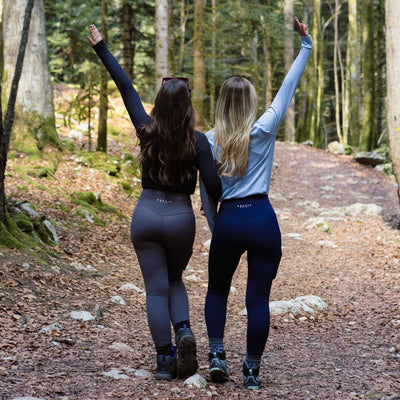
Technical thermal base layer leggings can be a great option. They are usually close-fitting, soft and easy to layer under ski pants. They also tend to move with your body, which is helpful when skiing, snowboarding, walking or getting in and out of boots.
Normal everyday leggings are less reliable. Cotton leggings, fashion leggings or very thick fleece-lined leggings may feel cosy at first, but they can become uncomfortable once you start moving.
A good ski legging or thermal base layer should feel smooth, breathable and secure. It should not slip down, bunch behind your knees or gather inside your boots.
What not to wear under ski pants
A few common choices are best avoided.
• Cotton leggings or cotton thermals: Cotton can hold onto moisture. If you sweat or snow gets in, cotton may stay damp and start to feel cold against your skin.
• Jeans: Jeans are stiff, bulky and uncomfortable under ski pants. They restrict movement and are not designed for cold, wet or active conditions.
• Thick joggers: Joggers may feel warm before you leave the house, but they often create too much bulk under ski pants. They can bunch around your knees, waist and boots.
• Too many layers: Adding more layers does not always mean more warmth. Too many layers can trap sweat, reduce movement and make your ski pants feel tight.
• Anything that bunches in your boots: This is especially important. Extra fabric around your ankles or calves can create pressure inside ski boots, which can become uncomfortable quickly.
What should you wear in different ski conditions?
You do not need a completely different outfit for every type of weather, but it helps to adjust slightly.
• Mild or spring skiing: Choose a lighter thermal base layer that feels breathable and comfortable. You want coverage without overheating.
• Cold resort days: A soft thermal base layer is usually the best choice. It should keep you warm on lifts while still letting you move freely.
• Very cold days: Choose a warmer thermal base layer, but try not to add bulky joggers underneath. If you are still cold, check whether your ski pants, socks and outer layers are suitable for the conditions.
• First-time skiing: Keep it simple. Wear one proper thermal base layer under your ski pants and avoid cotton, jeans or thick casual layers.
Where Arctic Eco-Sno fits in
At Arctic Eco-Sno, we believe cold-weather layers should feel easy to wear.
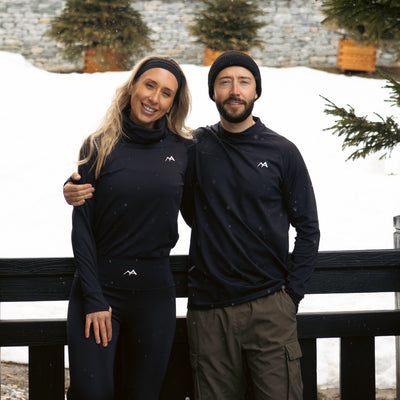
Our thermal base layers are designed to sit softly against your skin, keep warmth close and move with you under ski pants. They are wool-free, so they are a gentle option if traditional wool thermals feel itchy or uncomfortable.
They are also made for warmth without unnecessary bulk, which makes them easy to wear under ski pants, snow pants and winter outerwear.
For skiing and snowboarding, the right base layer should help you feel comfortable from the first lift to the last run, without overthinking every layer.
Final thoughts
The best thing to wear under ski pants is usually simple: a soft, warm, moisture-wicking thermal base layer that fits close to your skin and moves with you.
You do not need to over-layer or wear bulky clothing to stay warm. In most cases, comfort comes from choosing the right first layer.
Keep it soft. Keep it breathable. Keep it easy to move in.
If you are building your ski layering system, explore Arctic Eco-Sno ski thermals designed for wool-free warmth, comfort and movement under ski pants.
Do you wear anything under ski pants?
Yes. Most people wear a thermal base layer or ski base layer bottom under ski pants for warmth and comfort.
Can I wear normal leggings under ski pants?
We don’t recommend wearing normal or gym leggings under ski pants. Thermal leggings or technical base layers are usually better for skiing. They are designed for movement, warmth and moisture management.
Should I wear joggers under ski pants?
Usually, no. Joggers can feel bulky and may bunch under ski pants or inside ski boots.
Are fleece-lined leggings good under ski pants?
Fleece-lined leggings are not ideal for skiing because they may feel too warm or bulky once you start moving. A breathable thermal base layer, such as our long length thermal leggings, is usually more comfortable under ski pants.
Should base layers go inside ski boots?
Ideally, avoid bulky fabric inside your ski boots. Your base layer should sit smoothly and not bunch around your ankles or calves, as extra fabric can start to feel uncomfortable once your boots are done up.
That is why our ski thermals are designed to finish just above the ski boot, helping keep your lower leg area smooth, comfortable and free from unnecessary bulk.
Final thoughts
The best thing to wear under ski pants is usually simple: a soft, warm, moisture-wicking thermal base layer that fits close to your skin and moves with you.
You do not need to over-layer or wear bulky clothing to stay warm. In most cases, comfort comes from choosing the right first layer.
Keep it soft. Keep it breathable. Keep it easy to move in.
If you are building your ski layering system, explore Arctic Eco-Sno ski thermals designed for wool-free warmth, comfort and movement under ski pants.
Soft Layers for Under Ski Pants
Looking for a simple starting point? Explore soft, wool-free thermal base layers designed to sit comfortably under ski pants, snow pants and winter outerwear.