

The best ski base layer is not always the thickest one in your bag.
It is the one you put on first and barely think about again. Soft against your skin. Warm without feeling bulky. Breathable when you start moving. Comfortable enough to wear from the first lift to the last run.
For the 2026/2027 ski season, the right base layers should make getting dressed for the mountain feel simpler. Whether you are skiing in the Alps, heading to Japan, planning a Canada trip or preparing for your first winter holiday, your base layer is the part of your outfit that sits closest to your skin all day.
If it works, the whole day feels easier. If it doesn't, you notice it quickly.
The simple answer
The best ski base layers for 2026/2027 are soft, close-fitting thermal layers that help keep you warm, manage moisture and sit comfortably under ski gear.
A good ski base layer should be:
• Soft against your skin
• Warm without unnecessary bulk
• Breathable
• Moisture-wicking
• Quick-drying
• Easy to move in
• Comfortable under ski pants and jackets
• Practical enough to wear across a full ski trip
You do not need to overcomplicate it. A good base layer should feel comfortable, do its job quietly and help you enjoy the day without distraction.
Why ski base layers matter
Skiing is a stop-start kind of cold.
One minute you are walking through resort carrying skis, feeling warmer than expected. The next, you are sitting still on a chairlift with the wind picking up. Then you are skiing again, moving, warming up, cooling down, layering and unlayering throughout the day.
That is why your first layer matters.
A good ski base layer helps keep warmth close to your body while allowing moisture to move away from your skin. This matters because damp fabric can quickly feel cold once you stop moving.
It is not just about staying warm. It is about staying comfortable through changing conditions.
What makes a good ski base layer?
A strong ski base layer does not need to shout about technical features. It needs to feel good and work well in real mountain conditions.
Softness against your skin
This is the first thing to look for.
Base layers sit directly against your body, often for hours at a time. If the fabric feels scratchy, stiff or irritating when you put it on, it is unlikely to feel better once you are wearing ski pants, a mid layer and a jacket over the top.
Softness matters because comfort matters.
The layer closest to your skin should feel the best.
Warmth without bulk
Warmth is important, but bulk can make skiing less comfortable.
A base layer that feels too thick may bunch under ski pants, restrict movement or make your outerwear feel tighter than it should. The best thermal base layers for skiing should help keep you warm without making you feel over-layered.
Think warmth you can move in.
Breathability
A ski base layer should not trap heat in a way that leaves you feeling damp or clammy.
Breathability matters because your body temperature changes throughout the day. You may feel cold at the start, warm once you start skiing, then cold again when you stop.
A breathable base layer helps make those changes feel easier to manage.
Moisture-wicking and quick-drying
Moisture-wicking base layers help move sweat away from your skin.
This is useful for skiing, snowboarding and winter travel because damp fabric can quickly become uncomfortable in cold conditions. Quick-drying base layers are also easier to air, wash and rotate across a ski trip.
If you are skiing several days in a row, this becomes even more useful.
A close but comfortable fit
Ski base layers should sit close to the body, but not feel restrictive.
If they are too loose, they may bunch under your ski gear. If they are too tight, they can feel uncomfortable after a full day on the mountain.
The right fit should feel smooth, secure and easy to move in.
What to avoid when buying ski base layers
Sometimes choosing the best ski thermals is just as much about knowing what to avoid.
Avoid cotton
Cotton is not ideal for skiing because it can hold moisture and feel cold when damp. It is better kept for off-mountain wear rather than as your first layer on the slopes.
Avoid unnecessary bulk
Thicker does not always mean warmer.
Bulky base layers can restrict movement and make your ski pants or jacket feel uncomfortable. A good base layer should help you build warmth without making your outfit feel heavy.
Avoid scratchy fabrics
If a base layer feels itchy before you leave the house, it will probably feel more distracting after several hours of skiing.
This is especially important if you have sensitive skin or usually find wool uncomfortable.
Avoid loose layers under ski gear
Loose thermals can bunch around your waist, knees, ankles or wrists. A smoother fit usually feels better under ski clothing and helps the layer do its job more effectively.
Wool, merino or wool-free ski base layers?
Wool and merino base layers are popular for skiing, and many people love them. They can be warm, naturally insulating and useful for cold-weather activities.
But they are not the right fit for every body.
Some people find wool itchy, scratchy or too warm once they start moving. Others simply prefer a smoother feel against their skin.
That is where wool-free ski base layers can make sense.
A wool-free base layer can still be warm, breathable and practical for skiing. The difference is how it feels. For anyone who finds wool distracting or uncomfortable, a soft wool-free thermal can make layering feel much easier.
This is not about wool being wrong. It is about choosing the layer that feels right for your skin.
Best ski base layers for different needs
There is no one perfect base layer for every skier. The best choice depends on how you ski, where you are going and what you find comfortable.
Best for sensitive skin
If you have sensitive skin or find wool itchy, look for a soft wool-free base layer with a smooth feel against the body.
The fabric should feel comfortable from the moment you put it on. No scratch. No roughness. No feeling like you want to take it off halfway through the day.
Best for cold destinations
If you are skiing somewhere colder, such as the Alps, Canada, Japan or Scandinavia, look for base layers that provide warmth without bulk.
It can be tempting to choose the thickest thermals possible, but layering well usually works better. A comfortable base layer, a warm mid layer and good outerwear give you more control through changing conditions.
Best for active skiers
If you ski hard, walk a lot in resort or tend to run warm, breathability and moisture management matter.
A good ski base layer should help you feel comfortable while moving, rather than leaving you damp once you stop.
Best for first ski trips
If this is your first ski holiday, start simple.
A good thermal top and bottom set is usually enough to build from. Choose something soft, breathable and easy to layer under ski pants and a jacket. Avoid buying the cheapest layer just because it will “only be for skiing.” Base layers sit against your skin all day, so comfort is worth considering.
Best for longer ski holidays
For longer trips, think about rotation.
Two base layer sets is often a practical starting point. Three to four sets can be helpful if you are skiing for a full week, travelling overseas or unsure whether you will have washing access.
The best base layers for a ski trip are pieces you can wear, air, wash and wear again without taking up too much space in your bag.
Where Arctic Eco-Sno fits in
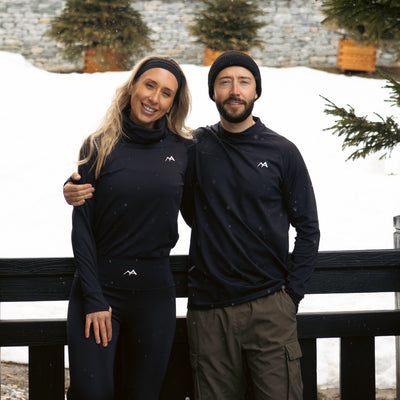
Arctic Eco-Sno base layers are designed for people who want warmth without bulk and comfort without itch.
Our collection is wool-free and made using recycled materials, with a soft, smooth feel against the skin. Each piece is designed to layer easily under ski gear, move with the body and offer breathable warmth across cold-weather days.
The focus is comfort first: how the layer feels when it goes on, how easily it moves, and whether it can be worn for the whole day without becoming a distraction.
For skiing, snowboarding and winter travel, Arctic Eco-Sno base layers are made to feel soft, warm and practical from the first lift to the last run.
Best women’s ski base layers
For women’s ski base layers, comfort and fit matter just as much as warmth.
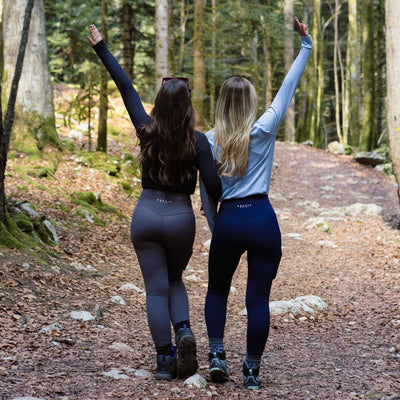
Look for thermal tops and leggings that sit smoothly under ski gear, feel soft against the skin and move with your body. A comfortable waistband, flexible stretch and non-bulky finish can make a big difference across a full ski day.
If wool makes your skin feel itchy or irritated, a wool-free women’s base layer can be a gentler option.
For ski pants, 3/4 length thermal leggings can also be useful because they avoid extra fabric bunching inside ski boots. This can make the lower leg feel smoother and more comfortable through the day.
Best men’s ski base layers
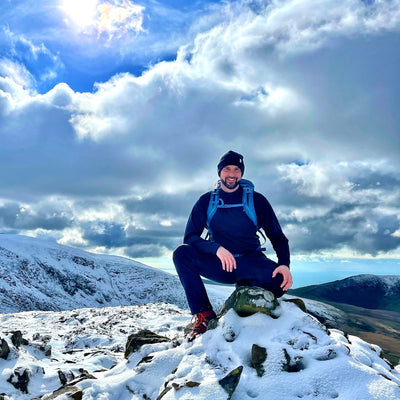
For men’s ski base layers, look for warmth, breathability and a fit that sits comfortably under ski pants and jackets.
A good men’s thermal top should feel close to the body without restricting movement. It should help manage moisture during active runs and still feel comfortable when the temperature drops.
For ski trips, practical details matter: soft fabric, easy movement, quick drying and a fit that does not feel bulky under outerwear.
How many ski base layers do you need?
This depends on the length of your trip.
For a short weekend, one or two sets may be enough. For a longer ski holiday, two to three to four sets usually feels more practical.
As a simple guide:
Skiing for 1–2 days?
One set can work, but two feels nicer if you want a clean option for the second day.
Skiing for 4–5 days?
Two sets is usually practical. You can wear one while the other airs or dries.
Skiing for 7 days?
Two to three sets gives you more flexibility, especially if you are skiing every day.
Going on a longer overseas trip?
Three or more sets may be useful, depending on washing access, drying space and how often you plan to ski.
It does not have to be exact. It just needs to work for the way you travel.
Quick buying checklist
Before choosing ski base layers for the 2026/2027 season, ask:
• Does the fabric feel soft against my skin?
• Will it keep me warm without adding bulk?
• Is it breathable enough for active skiing?
• Does it fit close to the body without feeling tight?
• Will it sit smoothly under ski pants and jackets?
• Is it moisture-wicking and quick-drying?
• Can I wear it across more than one part of the trip?
• Will I feel comfortable wearing it all day?
If the answer is yes, you are likely choosing well.
FAQs
What are the best ski base layers for 2026/2027?
The best ski base layers for 2026/2027 are soft, warm, breathable thermals that sit comfortably under ski gear. Look for moisture-wicking fabric, a close but comfortable fit, and enough stretch to move easily on the mountain.
Are wool-free base layers good for skiing?
Yes, wool-free base layers can work very well for skiing. They can offer warmth, breathability and moisture management while feeling smooth against the skin. They are especially useful for people who find wool itchy or uncomfortable.
Should ski base layers be tight or loose?
Ski base layers should fit close to the body, but not feel restrictive. A close fit helps the layer sit smoothly under ski clothing, while enough stretch keeps movement comfortable.
What should I wear under ski pants?
A thermal base layer is usually the best first layer under ski pants. It should feel soft, breathable and close-fitting. Many skiers prefer 3/4 length thermal leggings because they avoid bulky fabric inside ski boots.
Should ski base layers be tight or loose?
Ski base layers should fit close to the body, but not feel restrictive. A close fit helps the layer sit smoothly under ski clothing, while enough stretch keeps movement comfortable.
How many base layers should I pack for a ski trip?
For a weekend ski trip, one or two sets may be enough. For a week-long ski holiday, two to three to four sets is usually practical so you can rotate, air or wash them during the trip.
Can I wear gym leggings as ski base layers?
Ski thermal leggings are designed to provide warmth, moisture management and comfort under ski gear, which normal gym leggings do not offer in cold conditions.
Final thoughts
The best ski base layers for 2026/2027 are the ones that make your ski day feel easier.
They do not need to be the thickest, the loudest or the most technical. They need to feel good against your skin, keep you warm without bulk, breathe when you move and layer comfortably under your ski gear.
For anyone who finds wool itchy or distracting, a wool-free base layer can be a softer way to stay warm.
Soft Ski Base Layers
Explore wool-free base layers made using recycled materials, designed for warmth, comfort and easy layering under ski gear.